Instructions
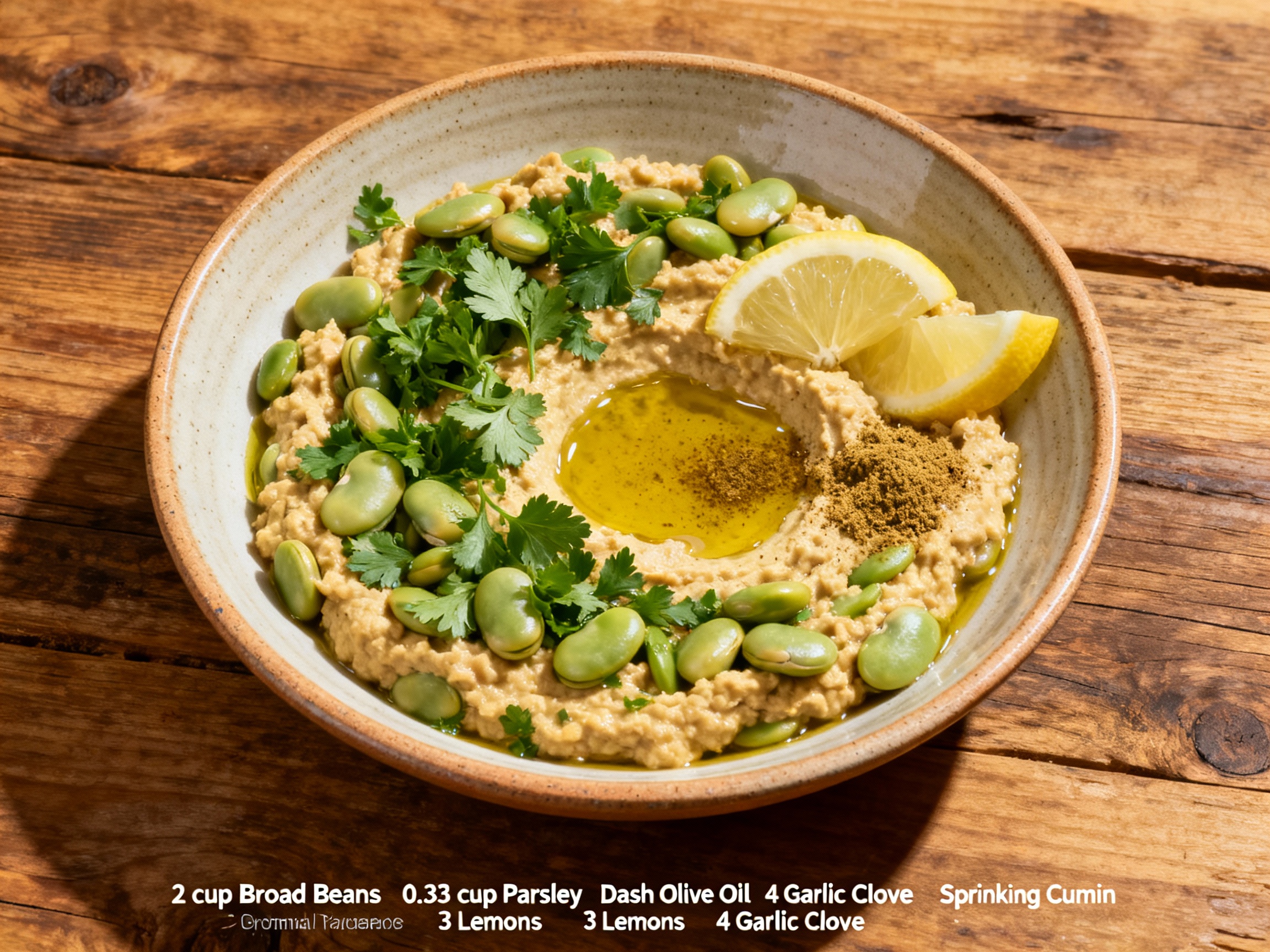
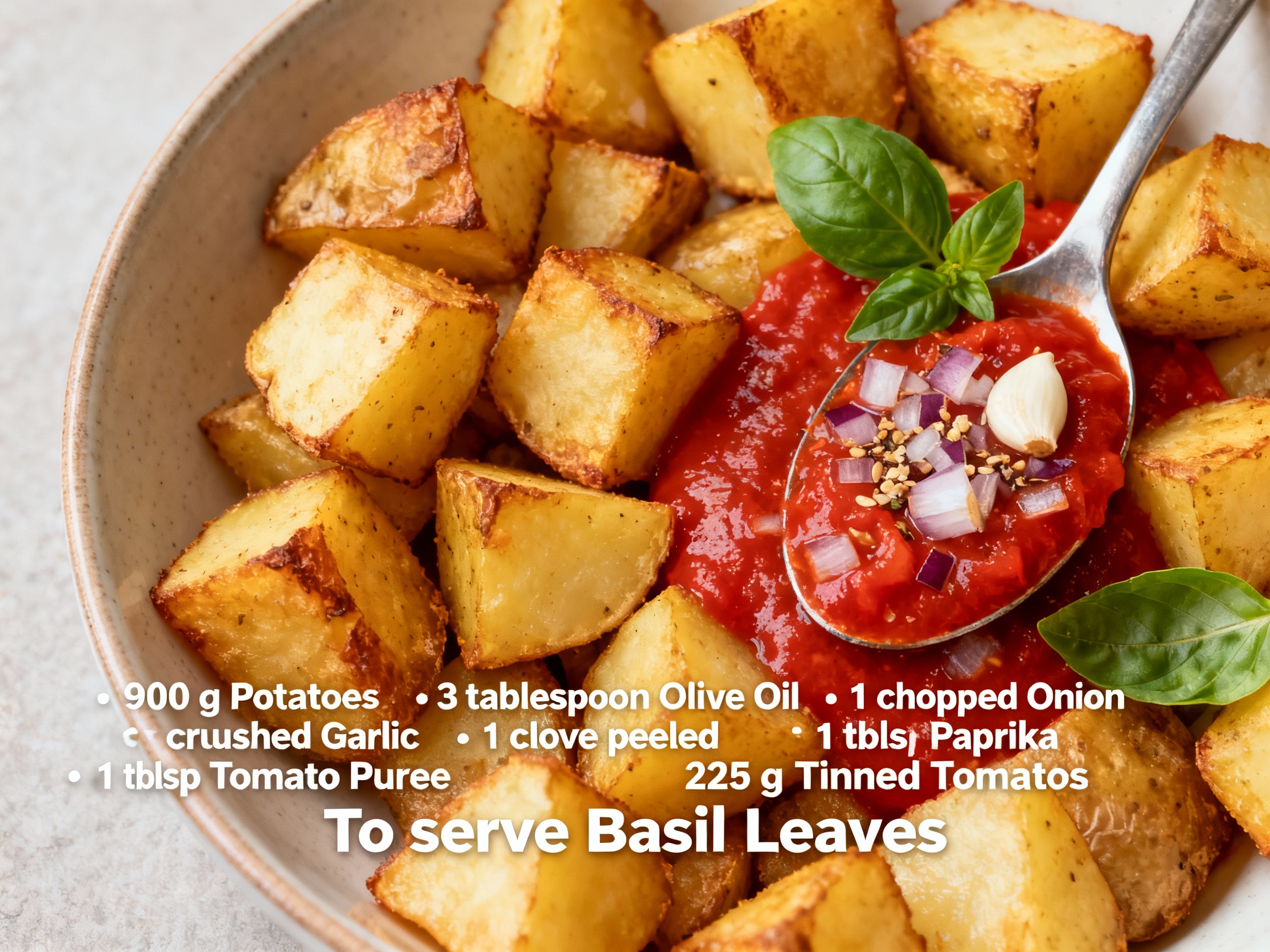
Begin by thoroughly rinsing and draining your broad beans to ensure any dust or debris is removed. Place the drained beans into a large saucepan and cover with a fresh portion of unsalted water. Bring the water to a gentle simmer with the lid partially on, allowing the beans to cook slowly and absorb the moisture. This slow simmering will take approximately 2 to 2 1/2 hours, depending on the age and quality of your beans; older beans may take longer to soften. Periodically check to ensure the beans remain submerged by adding more water as necessary. Wait to add salt until after the beans have softened, as salting too early can toughen the skins. Once the beans are tender, allow the cooking liquid to reduce slightly. Then, carefully ladle out a scoop or two of the beans along with some of the cooking liquid, mashing them to create a creamy paste. Stir this mash back into the pot to thicken the sauce and enhance the dish’s velvety texture. Serve the beans warm in soup bowls, generously sprinkled with freshly chopped parsley for a burst of color and freshness. Accompany with warm Arab bread to soak up the flavorful sauce. At the table, provide a selection of toppings for guests to customize their serving: extra-virgin olive oil, quartered lemons for squeezing, salt and pepper shakers, crushed garlic, chili pepper flakes, and ground cumin. Encourage diners to gently mash their beans with a fork to help absorb the vibrant dressings. For optional garnishes, consider hard-boiled eggs peeled and chopped into the beans, or fresh cucumber and tomato salad with thinly sliced mild onions or scallions. Alternatively, pass around sliced cucumbers, tomatoes, and scallions for a hands-on experience. To complement the dish, serve with tahina cream sauce or a tangy salad, alongside pickles and sliced onions soaked in vinegar for at least half an hour. For a different regional twist, try smothering the beans in a garlicky tomato sauce. Tips: Cooking the beans in advance and reheating later allows the flavors to deepen. If you prefer a thicker sauce, stir in a handful of red lentils at the start of cooking. For a variation often enjoyed in Iraq called badkila, use larger brown beans instead of the smaller Egyptian broad beans.